
July 2, 2026
To avoid devastating five-figure repairs, Nocatee homeowners must proactively counter intense UV exposure, torrential rain dilution, and soaring summer temperatures. By checking water chemistry within 24 hours of a storm, keeping the water line halfway up the skimmer, and emptying strainer baskets twice a week, you can stop catastrophic mechanical and chemical failures before they start.
During the peak summer months, your pool transitions from an occasional weekend luxury to a daily survival tool. However, the exact same Northeast Florida climate that makes a pool so necessary—relentless heat indices, heavy UV radiation, and sudden afternoon thunderstorms—creates a destructive combination right at your equipment pad.
For Clay County pool owners, summer maintenance is an active exercise in preventative engineering. Left unchecked, the elements will systematically degrade your water chemistry, accelerate mechanical wear, and trigger structural scale. Neglecting these shifts can rapidly turn a simple, low-cost maintenance routine into massive, multi-thousand-dollar repair bills.
How Does "Rain Dilution" Explode Your Summer Chemical Costs and Cause Permanent Pool Damage?
Sudden afternoon downpours dump a massive volume of acidic rainwater into your pool, completely disrupting its chemical balance. This heavy rain dilutes your cyanuric acid (CYA), which acts as sunblock for your chlorine. Without it, the harsh Florida sun destroys your chlorine in a matter of hours. When chlorine bottoms out in water temperatures above 85°F, your pool becomes a breeding ground for rapid green, mustard, or deep-rooted black algae blooms. While many homeowners think a heavy storm just tops off their pool for free, it actually sets the stage for costly chemical treatments or multi-thousand-dollar resurfacing repairs.
The Chemistry Breakdown: The Sun vs. Your Stabilizer
Think of CYA (stabilizer or conditioner) as sunblock for your pool's chlorine. Without a proper concentration of CYA (ideally between 30 and 50 parts per million), the harsh UV rays of the Florida sun will degrade up to 90% of your free chlorine in less than two hours. When rainwater dilutes your stabilizer and an afternoon storm dumps organic debris into the water, your free chlorine level instantly bottoms out.
The Financial Risk: Structural Staining & Remediation
Without chlorine, algae spores can explode into a full green or black bloom overnight, bringing steep cleanup costs:
- Green Algae: Severe blooms require intensive filtration and 4 to 5 times the normal chemical shock, costing $150 to $300 in raw materials alone.
- Mustard Algae: This chlorine-resistant strain clings to shaded walls, requiring specialized algaecides and aggressive brushing.
- Black Algae: The worst-case scenario. It roots deep into plaster pores under a protective waxy shell. It requires wire brushing, acid washing, and deep chlorine packing. If left too long, it permanently pits surfaces, forcing a $6,000 to $12,000 resurfacing job.
The Preventative Fix: Post-Storm Chemistry Audits
Stop rain from costing you thousands by following a strict 24-hour post-storm testing protocol:
- Never Guess, Always Test: Test your free chlorine, pH, and alkalinity within 24 hours of heavy rain—do not rely on visual water clarity.
- Defend Your Alkalinity Buffer: Keep total alkalinity between 80 and 120 ppm. Acidic rain can crash your pH if alkalinity is too low, creating corrosive water that destroys rubber seals and metal heat exchangers.
- Monitor Stabilizer Levels: If multiple storms raise your water line, pump out the excess and re-test your cyanuric acid (CYA). Keep it in the 30–50 ppm sweet spot to shield your chlorine from the sun.
Why Will a Dropping Water Line Melt Your Variable-Speed Pump and Cost You $2,500?
When evaporation or pool party splash-out drops the water line below the skimmer's bottom lip, the pump loses its hydraulic seal and draws in massive pockets of air. This triggers cavitation and extreme thermal friction because there is no water running through the wet end to pull heat away. The resulting heat buildup melts internal plumbing, cracks the mechanical shaft seal, and shorts out the electric motor, forcing a total equipment replacement.
Your pool pump is the literal heart of your entire filtration system. It circulates water through the filter, distributes sanitizing chemicals evenly, and powers water features. During the summer months, your pump runs longer and under much higher thermal stress. Its biggest enemy during this season isn't age—it's a dropping water level.
The Threat: Water Loss from Heat & Parties
Summer heat, dry winds, and direct sun can evaporate up to two inches of pool water per week. Add in heavy splash-out from summer pool parties, and your water line can drop below the safe zone surprisingly fast.
The Financial Risk: Air Suction & Pump Melt
For your pump to work safely, the pool water must sit halfway up the skimmer opening. If it drops below that lip, the system sucks in air instead of water, starting a destructive chain reaction:
The Failure Chain: Low Water Level ➔ Skimmer Draws Air ➔ Loss of Prime ➔ Extreme Friction ➔ Melted Pump & Motor Failure
Without cool water moving through the system, internal temperatures skyrocket. This warps the plastic plumbing, cracks the watertight shaft seal, and floods the electric motor. Fixing this catastrophic short circuit requires a total pump replacement, costing $1,500 to $2,500 for parts and labor.
The Preventative Fix: Keep the Water Leveled
Protecting your pump motor takes very little effort if you build these habits:
- The Twice-Weekly Check: Look at your skimmer twice a week. If the water level drops into the lower third of the opening, it is time to refill.
- Top-Off Proactively: Grab the garden hose and bring the water level back to the midway point before weekend parties or trips out of town.
- Install an Auto-Fill: For hands-free safety, use an electronic auto-fill device. It sits on the deck, monitors the water line, and automatically adds water from your outdoor spigot whenever the pool gets low.
How Do Clogged Strainer Baskets Drive Up JEA Utility Bills and Destroy Pump Impellers?
When falling leaves and pine needles pack down inside your skimmer and pump baskets, they create a dense block that restricts water flow and forces the motor to pull harder. This restriction spikes the motor's operating amperage, directly increasing your monthly JEA utility bill. Furthermore, the immense suction can rupture a brittle plastic basket, allowing heavy debris to slide down the line and shatter the spinning impeller or seize the motor bearings.
Nocatee is celebrated for its lush, mature landscapes, but homes surrounded by towering live oaks, slash pines, and sweetgum trees face a constant battle with falling debris. Summer thunderstorms and high winds tear these leaves, twigs, and pine needles from the canopy, dropping them straight into your pool water.
The Threat: Organic Clogs
Wind and storms drop leaves and pine needles straight into your pool. Your skimmer catches some, while the rest traps inside the secondary strainer basket right at your pool pump housing.
The Financial Risk: Electric Spikes & Shattered Impellers
When left uncleaned, wet debris packs into a solid, waterproof mat that starves the pump of water, causing severe internal damage:
- Higher JEA Bills: Blocked water forces the motor to pull significantly harder. This spikes the pump's power draw, noticeably inflating your monthly electric bill.
- Cracked Baskets: High suction pressure can split a brittle, sun-damaged plastic basket, allowing leaves, twigs, and rocks to fly straight into the pump.
- Broken Impellers: Debris jams the spinning impeller, bending the motor shaft and destroying the internal bearings. If the impeller snaps or the motor seizes, you will face an expensive rebuild or a $2,000
The Preventative Fix: Quick Clean-Out Routine
Emptying your baskets takes less than two minutes and requires no tools. Make it a habit with these three steps:
- Clean Twice a Week: Empty both the skimmer and pump strainer baskets at least twice weekly during peak summer storm season.
- Clear Right After Storms: Do not wait for your usual maintenance day. Inspect and clear out the debris as soon as a heavy downpour passes.
- Check for Cracks: Give each basket a quick twist inspection. Spending $20 on a fresh plastic basket today prevents a major equipment failure down the line.
Why Does Rising Summer Water Temperature Trigger Scaling That Ruins Heaters and Salt Cells?
Unlike most chemicals, calcium carbonate becomes less soluble as water temperatures rise, causing it to precipitate out of solution when pool water surpasses 85°F. This shift drives your Langelier Saturation Index (LSI) into a dangerous positive zone. The excess calcium bonds to hot surfaces, forming a thick, crusty barrier that burns out expensive salt cells and cracks copper heater heat exchangers.
As the Northeast Florida summer deepens, your pool water absorbs a massive amount of ambient heat. It is common for unshaded backyard pools in Nocatee to see water temperatures climb past 85°F, sometimes hovering close to 90°F in July and August. While this makes the water feel like a warm bath, it radically alters the underlying physics of water balance.
The Science: Temperature and Calcium Solubility
Unlike most chemicals, calcium becomes less soluble as water temperatures rise. This means perfectly balanced April water can become highly scale-forming in the dead heat of July.
To track this, pros use the Langelier Saturation Index (LSI), a formula that analyzes pH, alkalinity, calcium hardness, CYA, and water temperature to score your water's stability:
- Below -0.3 (Undersaturated): Corrosive water that dissolves plaster finishes and leaches metals from heaters.
- -0.3 to +0.3 (Balanced): Perfectly stable and safe water.
- Above +0.3 (Oversaturated): Scale-forming water that forces calcium to precipitate out as a hard, crusty white buildup.
Ready to Protect Your Pool and Your Wallet This Summer?
Taking care of a swimming pool doesn't have to feel like a full-time job or drain your savings account; by partnering with our team, you can completely bypass the steep financial risks of hot weather operation. Keeping your equipment running smoothly and efficiently all season long is as simple as maintaining a steady water line, clearing clogged baskets, and balancing your chemistry after heavy afternoon downpours. Let our professionals handle the heavy lifting so your pool stays pristine, your equipment runs like new, and your backyard remains a stress-free oasis. Call us today to schedule your summer pool tune-up—your pool, your family, and your wallet will thank you!
Recent Blog Articles
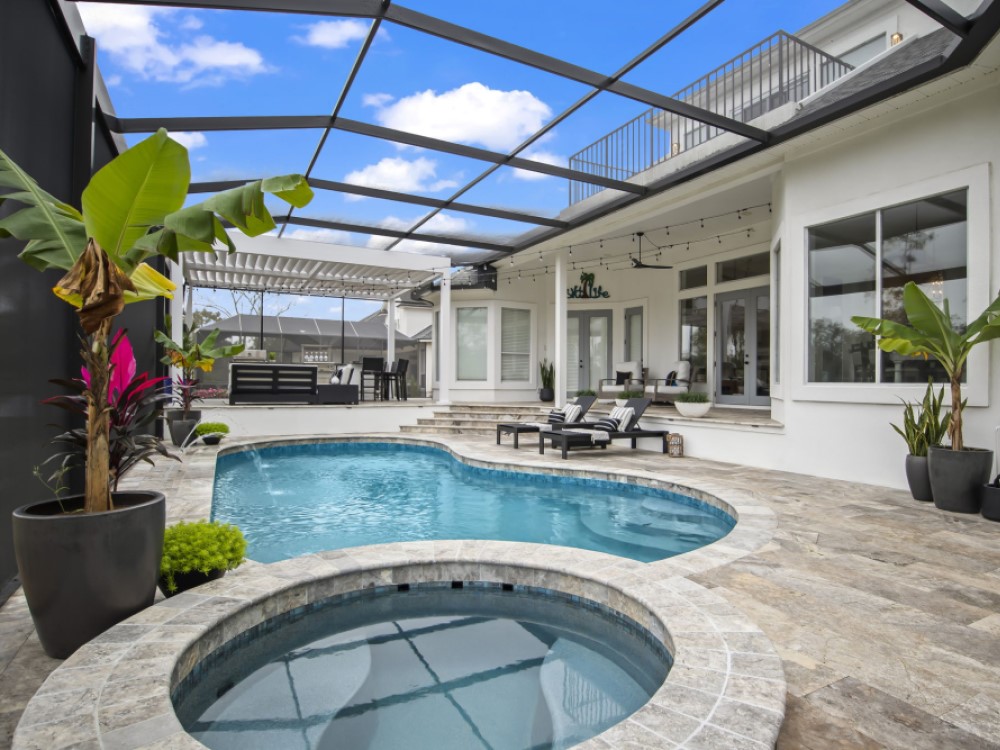
Oct. 06, 2026
How Much Does It Cost to Build a Pool in Florida?

Sep. 28, 2026
How Can Florida Homeowners Slash Their Pool Chemical Costs This Year?
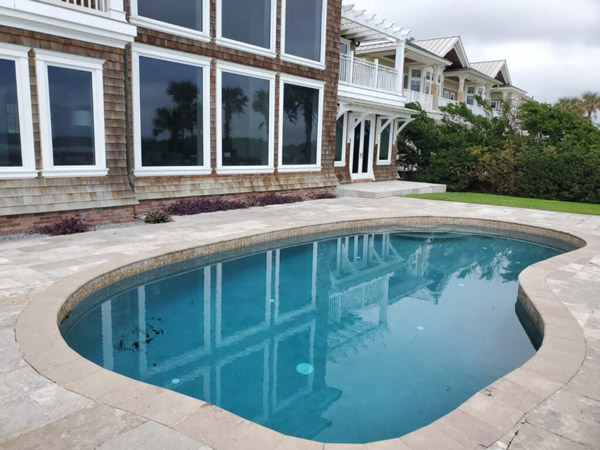
Aug. 03, 2026
How Do Pool Automation Systems Help Busy Families?
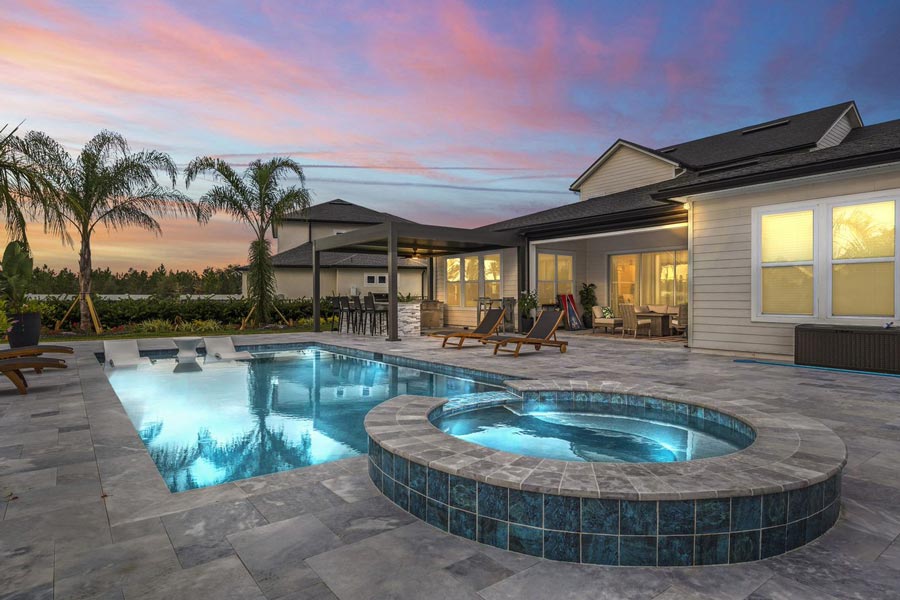
Jul. 20, 2026
Florida Pool Building Costs Explained in This Helpful 2026 Guide
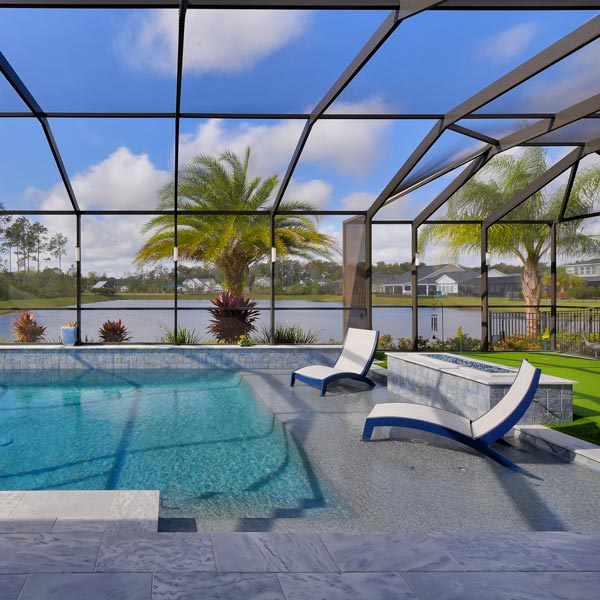
Jul. 02, 2026
How Can Nocatee Pool Homeowners Avoid Summer Pool Repairs?
Contact Us
Where Vision and Possibility Meet
Call Now
