
September 28, 2026
By mastering proactive water balancing, leveraging common household staples, and optimizing filtration, First Coast homeowners can eliminate expensive "rescue chemicals" and drop their annual maintenance costs by hundreds of dollars.
Owning a backyard pool in Northeast Florida is practically a lifestyle requirement. From hot, humid July afternoons in Jacksonville to mild autumn weekends in St. Augustine and Palm Coast, our swimming season stretches deep into the calendar.
But as any local homeowner knows, keeping that water sparkling clean can quickly turn into a massive line item in your household budget. Between the intense UV rays, regular torrential summer downpours, and organic debris from surrounding live oaks, pine needles, and palms, your pool water is under constant attack. If you feel like you are practically throwing money into your skimmer basket just to keep the water from turning green, you aren’t alone.
The good news? You don’t need to spend a fortune on a mountain of commercial chemicals to maintain a crystal-clear oasis. With a few strategic, region-specific adjustments, you can drastically cut your chemical consumption this year. Here is an expanded, comprehensive guide on how to do it.
1. Why Is Cyanuric Acid the Ultimate "Chlorine Sunscreen" in Florida?
In Northeast Florida, the biggest thief of your pool's chlorine isn't bacteria—it’s the sun. The intense UV rays of the First Coast sun can destroy up to 90% of your pool’s free chlorine in as little as two hours if left unprotected. To prevent this, you need Cyanuric Acid (CYA), often called stabilizer or conditioner, which acts like sunscreen for your chlorine molecules. Keeping your CYA levels strictly between 30 to 50 ppm (parts per million) for traditional chlorine pools, or 50 to 80 ppm for saltwater systems, protects your free chlorine from evaporating and eliminates frequent, costly chemical re-applications.
If your CYA level is too low, your chlorine evaporates instantly under the midday sun, forcing you to constantly dump more liquid or tablets into the pool. Conversely, you must keep a close eye on the upper limit; if your CYA climbs past 100 ppm, it triggers a costly state called "chlorine lock" or over-stabilization. When this happens, the stabilizer binds too tightly to the chlorine, rendering it completely inert and unable to sanitize your water.
The absolute worst part about chlorine lock is that it cannot be chemically reversed; the only way to fix it is to partially drain and refill your pool water, resulting in a massive waste of both water and money. Homeowners should monitor this closely—especially if they exclusively use chlorine tablets (trichlor)—as these tablets add a hidden, cumulative dose of CYA to the water with every single burn.
2. How Does Balancing the "Big Three" Metrics Stop the Expensive Crash-and-Burn Cycle?
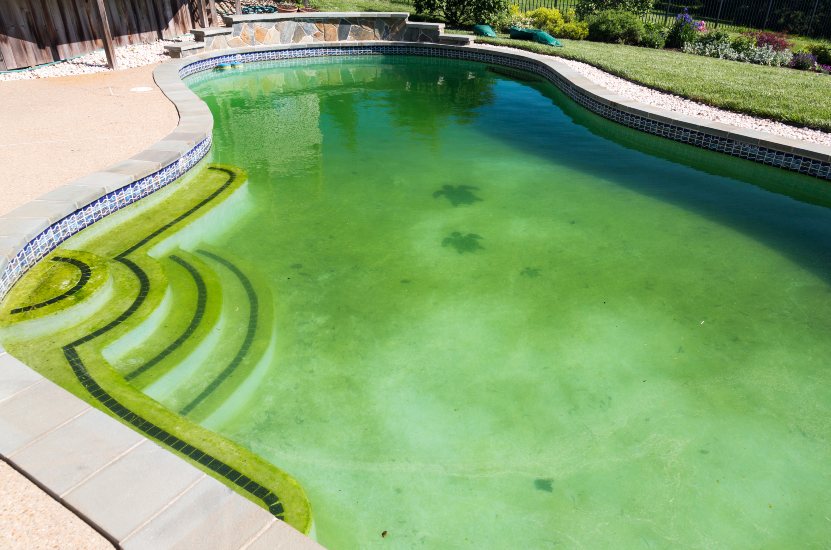
Many homeowners fall into a vicious, expensive cycle of ignoring their pool for a few days, watching the water turn cloudy or green, and then spending $50 to $100 on heavy shock treatments, phosphate removers, and specialty algaecides to fix the mess. You can completely break this routine and eliminate the need for costly "rescue chemicals" by spending just 10 minutes a week testing and balancing your foundational metrics. Consistently tracking your pH Level between 7.2 and 7.6, Total Alkalinity between 80 to 120 ppm, and Free Chlorine between 1 to 3 ppm forms an ironclad defense that keeps your water pristine for pennies.
Maintaining these specific ranges directly impacts chemical efficiency, saving you massive amounts of money by ensuring your chlorine stays highly active instead of sitting idle. For instance, letting your pH creep above 7.8 renders your chlorine up to 80% less effective, while keeping your Total Alkalinity balanced creates a vital shield that prevents sudden heavy rainstorms from causing erratic, expensive pH swings. By holding a steady baseline of Free Chlorine alongside these metrics, you stop algae from ever taking root, locking in perfect water clarity while ensuring you never have to waste hard-earned cash on remedial pool store products again.
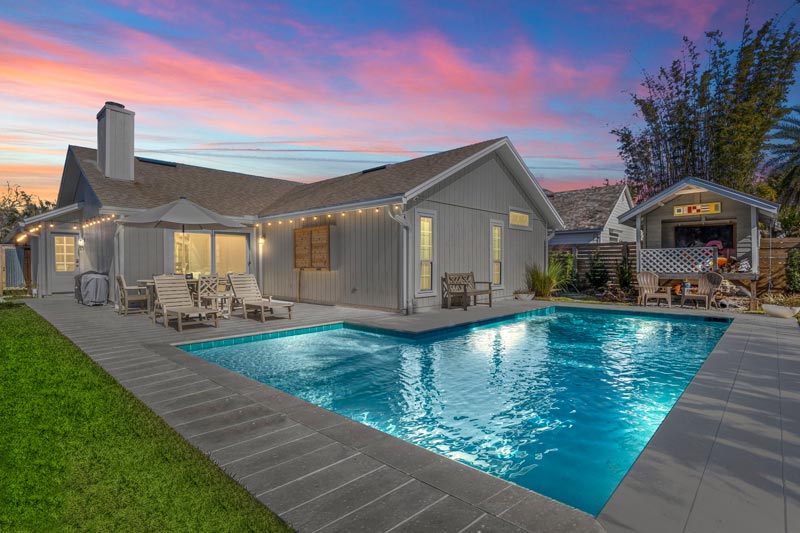
3. Which Grocery Store Staples Can Replace Expensive Pool Store Chemicals?
When you walk into a pool supply store in Duval, St. Johns, or Clay county with an erratic water test printout, you're often pointed toward beautifully branded bottles of "Alkalinity Increaser," "pH Up," or "pH Balance." Before you drop premium cash on those heavy containers, check the active ingredients on the back label; you will find that these expensive fixes are chemically identical to everyday household items, like standard baking soda and washing soda, that are heavily marked up for a specialty market but can be bought as grocery store staples for a fraction of the price.
Before you drop premium cash on those heavy containers, look at the active ingredients on the back label. You will find that these expensive fixes are often just everyday household items marked up heavily for a specialty market. You can substitute them with grocery store staples for a fraction of the cost:
- To Raise Total Alkalinity: Use standard Baking Soda (Sodium Bicarbonate). It is chemically identical to commercial alkalinity increasers, costs pennies on the dollar, and can be bought in bulk.
- To Raise pH: Use Washing Soda or Soda Ash (Sodium Carbonate), easily found in the laundry aisle of any supermarket. It raises pH rapidly with minimal impact on total alkalinity.
- To Lower pH and Alkalinity: Skip the granular, dry "pH decreasers" (sodium bisulfate), which can leave corrosive sulfates in your pool. Instead, opt for liquid Muriatic Acid from a local home improvement hardware store. It is incredibly efficient, blends instantly, and costs much less per application.
4. What Is the Most Cost-Effective Routine for Handling the Summer Rainy Season?
Northeast Florida's summer weather brings predictable morning heat followed by torrential afternoon downpours that dilute chemicals and wash leaves, pollen, and fungal spores into your pool. Establishing an immediate post-rain routine to skim debris, reset your pH, and boost circulation stops this organic load from spiking, easily preventing stormwater contaminants from turning your pool green before it ever has a chance to turn hazy.
To keep your costs low, establish an aggressive post-rain routine rather than waiting until the water turns hazy:
- Skim and empty baskets immediately (Post-Storm Priority): Don't let leaves, twigs, and pine needles sit on the bottom or in the skimmer. Organic matter degrades rapidly in warm Florida water, consuming your free chlorine and creating a buffet for algae.
- Test and reset your pH (Within 24 Hours): Rainwater in our region can be slightly acidic and contains dissolved gases that alter chemistry. Test the water after a heavy storm and adjust your pH back to the 7.4 sweet spot to keep your sanitizer working efficiently.
- Run your pump on high (Circulation Boost): Increase your filtration time for 12 to 24 hours after a major storm. Getting the water turning over rapidly helps your filter catch microscopic organic contaminants before they require chemical treatment.
5. Are Expensive Retail Phosphate Removers Really Necessary?
No, retail phosphate removers are rarely necessary because maintaining the correct free chlorine ratio keeps algae from growing, regardless of your phosphate levels.
If you've visited a retail pool storefront recently, you've likely been told your "phosphates are high" and that you need an expensive bottle of phosphate remover. Phosphates are essentially food for algae, entering your pool via lawn fertilizer runoff, decaying leaves, and municipal source water.
While keeping phosphates low makes algae growth harder, phosphate removers are rarely necessary if you maintain proper free chlorine levels. If your free chlorine is consistently held at the correct ratio relative to your stabilizer, algae cannot grow—regardless of how high your phosphate levels are. Save your cash and focus on your baseline sanitizer levels instead of chasing zero phosphates.
6. How Does a Variable-Speed Pump Lower Your Monthly Chemical Demand?
It sounds counterintuitive to spend money on equipment to save money on chemicals, but your pool's filtration system is directly tied to your chemical efficiency. Stagnant water creates dead zones where algae thrive, regardless of how many chemicals you pour into it. Because traditional single-speed pumps are incredibly expensive to run, many homeowners are tempted to cut their run cycles down to just four or five hours a day to save on the electric bill. However, this poor circulation inevitably leads to cloudy water, rapid organic buildup, and subsequent, expensive chemical overcompensation to fix the water clarity.
By switching to an energy-efficient variable-speed pump, you can run the filtration system at a much lower, whisper-quiet speed for 10 to 12 hours a day while using up to 80% less electricity than a single-speed pump running at max power. This extended runtime ensures continuous filtration and eliminates those algae-breeding stagnant dead zones entirely. Ultimately, constant circulation means your balancing chemicals are distributed evenly throughout the entire pool—from the deep end to the steps alike—lowering your overall chemical demand and your monthly utility bill simultaneously.
What Is the Bottom Line for Northeast Florida Pool Owners?
Slashing your pool chemical costs this year doesn't require a miracle product or a secret, expensive potion; it comes down to consistent, proactive defense against the local elements.
It comes down to proactive defense: protecting your chlorine with the right amount of stabilizer, utilizing inexpensive grocery store alternatives, and ensuring your filtration system runs optimally to prevent stagnant water. By staying ahead of the unique Northeast Florida elements, you can enjoy a crystal-clear pool all year long while keeping your hard-earned money right where it belongs—in your wallet.
Ready to Take the Hassle Out of Your Pool Care?
Tired of guessing which chemicals to buy, hauling heavy containers, or fighting a losing battle against changing weather? Let the professionals handle it for you. Our expert pool technicians provide precision testing, custom chemical balancing, and complete equipment optimization tailored exactly to your pool's needs, keeping your water pristine, healthy, and perfectly balanced all year long. Contact us today to Request Your Free Weekly Service Quote or Schedule a Professional Water Diagnostics Evaluation Today!
Recent Blog Articles

Sep. 28, 2026
How Can Florida Homeowners Slash Their Pool Chemical Costs This Year?
Aug. 03, 2026
How Do Pool Automation Systems Help Busy Families?
Jul. 20, 2026
Florida Pool Building Costs Explained in This Helpful 2026 Guide
Jul. 02, 2026
How Can Nocatee Pool Homeowners Avoid Summer Pool Repairs?
Jun. 29, 2026
Why Does Your Ponte Vedra Pool Turn Green Overnight (And How Do You Stop It)?
Contact Us
Where Vision and Possibility Meet
Call Now
