
June 29, 2026
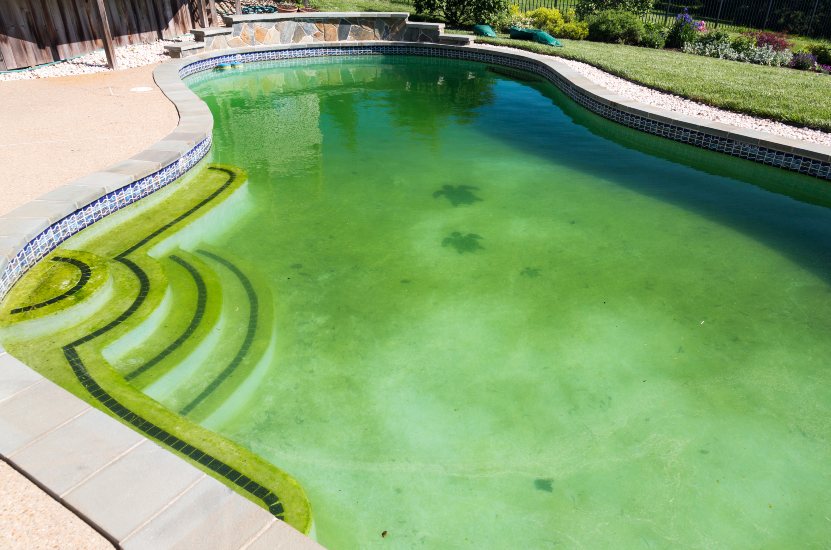
It turns green because a drop in free chlorine allows microscopic algae spores to rapidly multiply under the right conditions.
How Do You Prevent the Pool for Turning Green?
To stop it, you must immediately rebalance your pH and aggressively shock the pool to reach breakpoint chlorination. This reset kills the bloom and restores water clarity.
It is the ultimate backyard nightmare: you look out the window on a Friday night and the pool is crystal clear. By Saturday morning, it looks like a swamp. In Ponte Vedra, Nocatee, and across Northeast Florida, this sudden transformation is incredibly common. While it feels like magic, it’s actually a fast-acting biological reaction fueled by our unique coastal climate, high humidity, and intense subtropical weather patterns.
When a pool goes from pristine to pea soup in less than twelve hours, homeowners often assume a single factor is to blame. In reality, an overnight bloom is almost always the result of a "perfect storm" of environmental inputs crashing together simultaneously. Understanding the microscopic mechanisms behind this phenomenon is the first step toward reclaiming your backyard oasis.
Why Does It Happen So Fast? The "Overnight" Culprits
Algae blooms happen fast because spores double in size every two to three hours once your free chlorine drops below 1.0 ppm. Intense heat, heavy afternoon thunderstorm runoff, and sudden phosphate surges from coastal fertilizers create the perfect breeding ground for rapid overnight growth.
Algae spores are always present in your pool, constantly blowing in from coastal winds, salt marshes, and nearby lush foliage like palm trees and live oaks. Usually, your primary sanitizer keeps them at bay, destroying the microscopic plant cells before they can replicate. However, an algae bloom can explode into millions of visible cells when specific environmental triggers align.
How Do Afternoon Thunderstorms Wipe Out Your Chlorine?
A classic Ponte Vedra summer storm doesn't just add water to your pool; it completely disrupts your water chemistry. Rainwater in coastal Florida carries micro-contaminants, organic debris, and atmospheric pollutants. As a heavy downpour washes over your pool deck, it dumps massive amounts of nitrates and organic matter directly into the water column.
This sudden influx creates an immediate chemical demand. Your free chlorine rushes to oxidize these new organic invaders, exhausting its sanitizing capacity within hours. Furthermore, heavy rainfall is naturally acidic, which heavily drops your pool's total alkalinity and pH. When your pH drops, the water balances shifts, but the sheer volume of water also dilutes your existing chemical parameters. If your free chlorine was sitting at a marginal 1.5 ppm before the storm, a multi-inch downpour can dilute and consume that remaining residual down to zero, leaving the gates wide open for an overnight takeover.
How Do Intense Heat and UV Exposure Fuel Microscopic Replication?
Algae is a photosynthetic plant organism, meaning it thrives on sunlight and warm water. In Northeast Florida, water temperatures routinely climb into the high 80s or even low 90s during peak summer months. Warm water acts as an accelerator for cellular metabolism; at these elevated temperatures, the cellular division rate of Chlorophyta (green algae) reaches its absolute peak.
Simultaneously, the intense solar UV radiation acts as a natural destroyer of pool chemicals. Unstabilized free chlorine has a half-life of less than forty-five minutes under direct Florida sunlight. If your pool's cyanuric acid (CYA)—the chemical stabilizer that protects chlorine from UV degradation—is improperly balanced, the sun will burn off your pool's defense system by noon. Once the sun goes down, the residual heat kept in the water allows the algae to replicate in total darkness, completely unhindered by sanitizer.
How Do Phosphate Surges Act Like Steroids for Algae?
The beautifully manicured lawns, golf courses, and resort landscapes of Ponte Vedra rely on heavy fertilizing to maintain their vibrant green appearance. During torrential downpours, wind-driven rain washes over these landscapes, collecting soil additives and lawn care run-off. This chemical-rich water makes its way directly into your pool via wind drift, overspray, or deck drainage.
These fertilizers are packed with phosphates (phosphorus compounds) and nitrates, which are the fundamental building blocks of plant life. In a swimming pool, phosphates act like pure steroids for algae growth. Even a tiny concentration of phosphates—anything above 200 parts per billion (ppb)—can provide enough food to sustain an exponential algae bloom. When a pool is starved of chlorine and simultaneously injected with a massive dose of plant food, a microscopic colony can bloom into an opaque green sheet before your morning coffee is brewed.
What Is the Recovery Strategy to Turn It Blue Again?
To turn a green pool blue again, you must shock the water to reach breakpoint chlorination, run your filtration system continuously, and eliminate the algae's food source. Standard maintenance doses will not work; an aggressive chemical reset is required to completely oxidize the organic matter.
Reversing a severe overnight bloom requires moving beyond typical weekly maintenance routines. You cannot "finesse" an algae bloom away with a few cups of shock or a splash of liquid algaecide. You must systematically alter the water chemistry to create a highly toxic environment for the plant cells, ensuring every single spore is fully oxidized.
- How Do You Create the Right Environment? Step 1: Test and Balance pH
Shock chlorine is highly inefficient in high pH water. Before adding a single drop of sanitizer, you must test your pool water using a reliable liquid reagent test kit. If your pH is sitting at 7.8 or higher, your added chlorine will be up to 70% inactive, meaning you will waste money and chemical power. Use muriatic acid to bring the pH down to a slightly low 7.2 to 7.4. At this lower pH range, the chlorine converts predominantly into hypochlorous acid (HOCl), its most potent and fast-acting sanitizing form. This ensures your shock treatment works at maximum destructive strength.
- How Do You Annihilate the Algae? Step 2: Hit Breakpoint Chlorination.
To completely kill the bloom, you must reach breakpoint chlorination—the level where enough free chlorine is added to break down all combined chlorine and organic compounds, leaving a strong, active residual sanitizer behind. For a dark green pool, you cannot guess the dose; you must raise your free chlorine level to roughly 30 ppm. When fighting an algae bloom in Northeast Florida, always use liquid chlorine (sodium hypochlorite) rather than granular shock. Granular shocks like calcium hypochlorite add unwanted hardness to our already hard municipal water, while cal-hypo can cloud the pool for days. Liquid chlorine works instantly without shifting your calcium levels.
- How Do You Clear the Dead Cells? Step 3: Run the Filtration System Continuously.
Turn your pool pump on 24/7. As the massive dose of chlorine attacks and kills the algae, the water will shift from deep green to a cloudy, milky, or gray-blue color. This color change is a positive sign—it means the algae is dead, and its microscopic skeletons are floating in suspension. Your filtration system must work overtime to strain these dead cells out of the water column. If you have a cartridge filter, pull the elements out and spray them down daily; if you have a D.E. or sand filter, monitor the pressure gauge closely and backwash as soon as the pressure rises 8-10 PSI above your baseline.
- How Do You Prevent the Algae From Returning? Step 4: Kill the Food Source.
Once the water is clear, the chlorine levels have drifted back down to normal parameters (2.0 to 4.0 ppm), and your pool passes an Overnight Chlorine Loss Test (OCLT), you must target the root cause of future blooms. Test your water specifically for phosphates. If the rain introduced fertilizer, your levels will likely be high. Apply a commercial lanthanum-based phosphate remover directly to the water according to your pool volume. The chemical will bind to the dissolved phosphates, turning them into a fine white powder that drops to the floor or gets caught in the filter. Vacuum this sediment out and maintain your phosphate levels below 100 ppb so residual spores starve.
How High-Dose Shocking Shifts the Scaling Balance
Northeast Florida's natural source water is drawn from the limestone-rich Floridan Aquifer, meaning our tap and well water is naturally high in calcium hardness. When your pool turns green and you introduce massive amounts of liquid chlorine, you are introducing a highly alkaline chemical compound. Liquid chlorine has a natural pH of around 13.
While the chlorine burns off the algae, the sheer volume of shock can cause temporary, localized spikes in your water's pH. If your water temperature is already high due to the summer sun, this sudden combination of high temperature, high calcium hardness, and spiked pH pushes your LSI deep into a positive scaling state. If left unmonitored for forty-eight hours during the cleanup process, the dead algae will clear up, but you will be left with a permanent white line of calcium scale baked onto your waterline tiles. Always check your LSI values before and after shocking to ensure you stay within a safe, non-scaling window.
Tired of Fighting the Green Wall Alone? Let the Experts Handle It!
Maintaining a pristine backyard pool shouldn't feel like a second job, especially when chronic algae blooms, shifting water chemistry, and stubborn phosphate levels constantly threaten your clarity. Instead of spending your weekends hauling heavy chemical jugs and scrubbing stubborn walls, let professional pool service technicians handle the complex chemistry, filtration maintenance, and precise calculations required to protect your investment. Take back your weekends and ensure a crystal-clear, worry-free swimming season by reaching out to a local, trusted pool service specialist today to schedule a comprehensive water diagnostics test or to set up a hassle-free weekly maintenance plan. Contact us today to schedule your standard pool health assessment and dive into a cleaner, stress-free pool ownership experience!
Recent Blog Articles
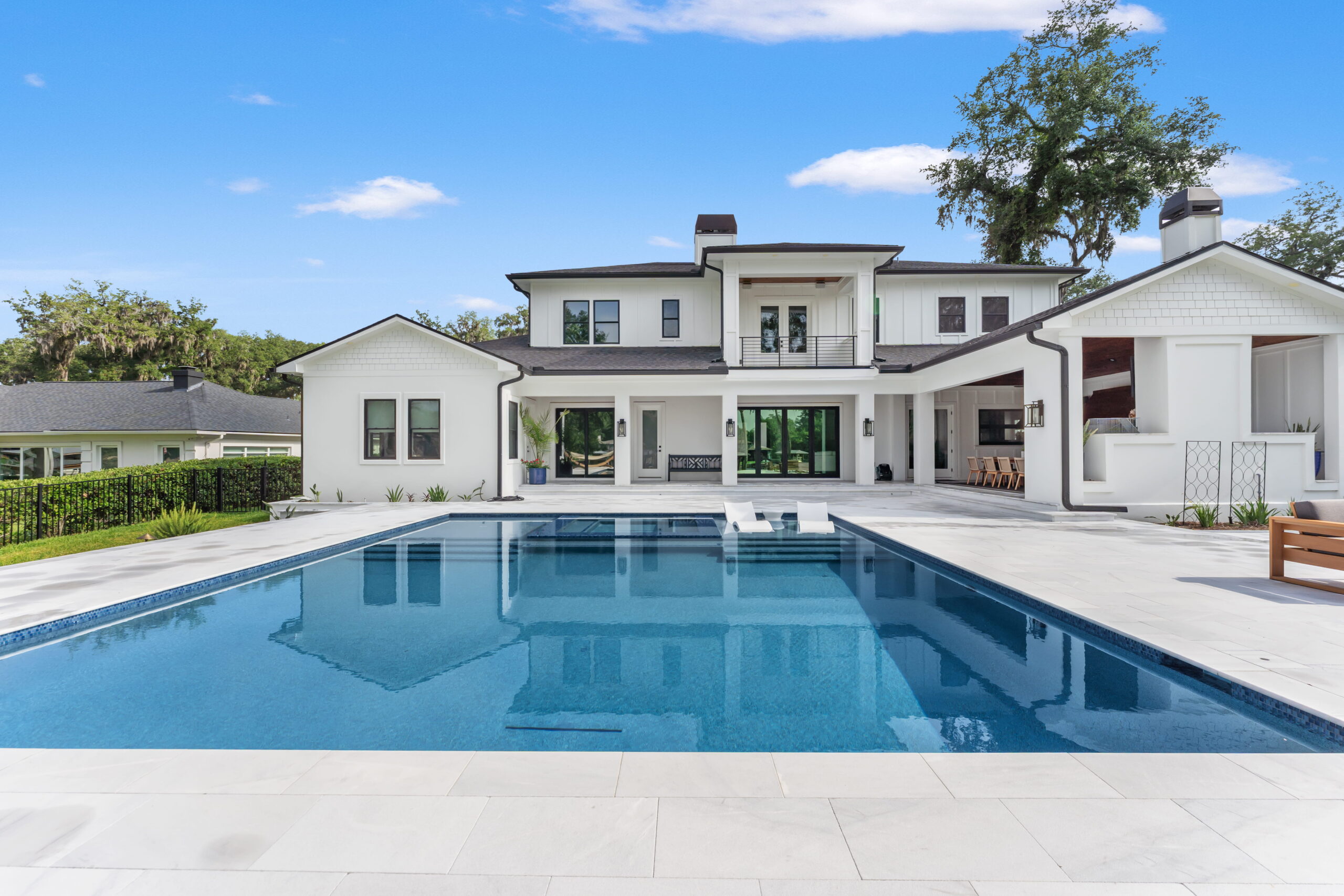
Sep. 28, 2026
How Can Florida Homeowners Slash Their Pool Chemical Costs This Year?
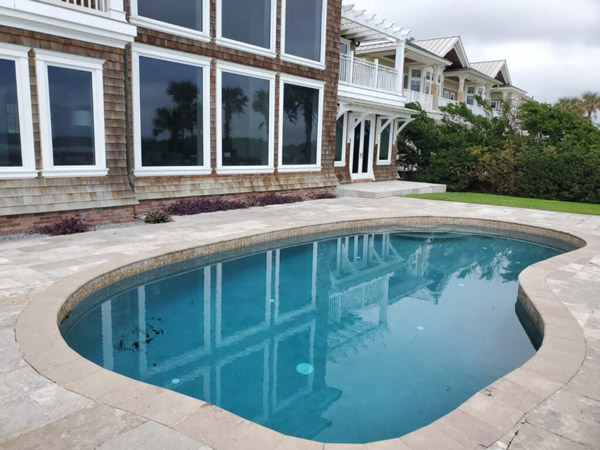
Aug. 03, 2026
How Do Pool Automation Systems Help Busy Families?
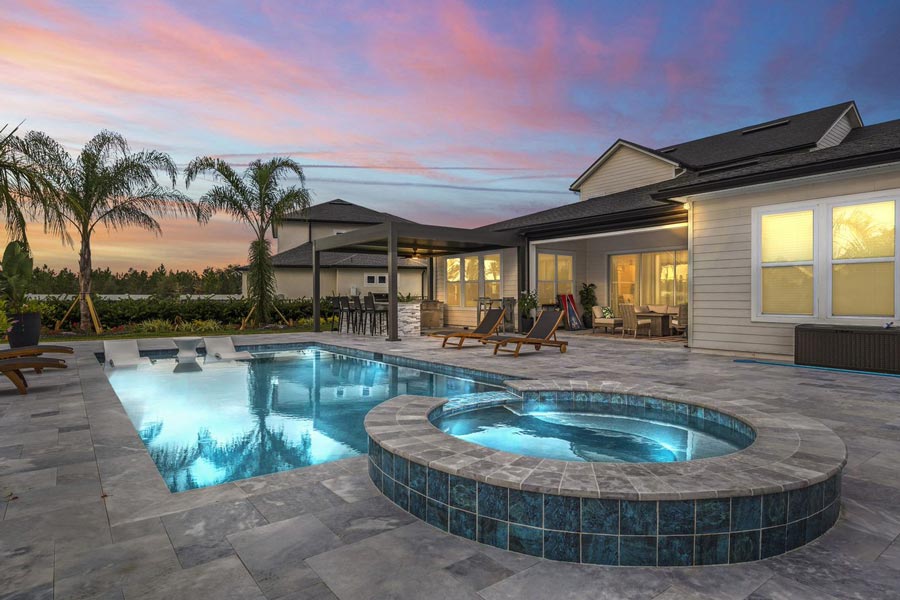
Jul. 20, 2026
Florida Pool Building Costs Explained in This Helpful 2026 Guide
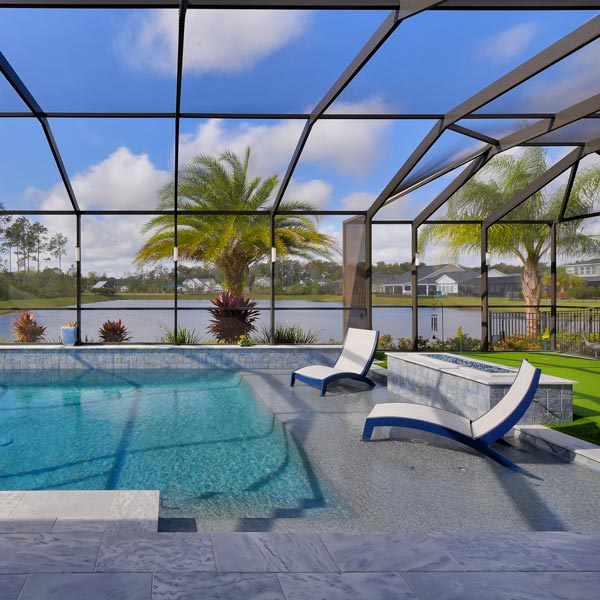
Jul. 02, 2026
How Can Nocatee Pool Homeowners Avoid Summer Pool Repairs?
Jun. 29, 2026
Why Does Your Ponte Vedra Pool Turn Green Overnight (And How Do You Stop It)?
Contact Us
Where Vision and Possibility Meet
Call Now
